May 19, 2026
When ants invade your living space, they do so with a strategic focus that can quickly escalate from a minor annoyance to a serious structural or hygienic concern. Many homeowners view these insects as a simple seasonal byproduct of warmer weather, but the reality is that an unchecked population can lead to significant property damage and potential health risks. Recognizing the early indicators of an ant problem is crucial for managing it effectively before the colony becomes entrenched within your walls.
The prevalence of these insects in the American household is staggering. According to Forbes, a survey revealed that ants are the most frequently encountered pest in the U.S., with 56% of those polled reporting that they have dealt with an infestation. This high frequency of encounters makes it more important than ever to understand the specific signals of their presence. Whether you are dealing with common pavement ants or a more destructive species, identifying the problem early allows for a faster and more effective response. This article outlines the key indicators that suggest an infestation is developing on your premises and why you should involve a professional pest control company at the first sign of trouble.
Identifying Visible Ant Trails
The most common sign of an infestation is the presence of organized ant trails. These are not merely random movements; they are highly structured routes created by scout ants. When a scout finds a viable food source, it returns to the nest while depositing a chemical pheromone along the ground. This invisible trail serves as a biological GPS for the rest of the colony. When you observe a steady, single-file line of ants moving across your floor or countertop, you are witnessing an established foraging route.
Monitoring High-Traffic Indoor Areas
Ants are drawn to areas that provide easy access to moisture and nutrition. Kitchens are the primary target, particularly around sinks, pantries, and behind appliances. These trails often originate from small entry points such as cracks in baseboards, gaps around window sills, or electrical outlets. Because ants can fit through the smallest crevices, they often use the interior of your walls as a hidden highway. If you see these lines frequently, it indicates that a colony has identified your home as a consistent food source.
Observing Seasonal Trail Patterns
Ant activity is heavily influenced by environmental shifts. During the spring and summer, foraging increases as the colony expands and seeks protein and sugar to support new larvae. During periods of heavy rain, ants may move indoors to escape flooded soil. In the winter, you might see a decline in visible trails, but this does not necessarily mean the ants are gone; they may simply be nesting deeper within the structure for warmth. Recognizing these seasonal rhythms helps in determining when to contact a pest control company for a preventative inspection.
Locating Hidden Ant Nests
To truly resolve an infestation, you must address the nest itself. Indoors, ants favor dark, undisturbed locations that are close to moisture. Common nesting sites include the voids behind bathroom tiles, underneath kitchen cabinets, and inside insulation in the attic or crawlspace. If you notice small piles of dirt or debris near your baseboards, you may have found the entrance to a sub-floor nest. Controlling these indoor colonies is vital for preventing long-term hygiene issues and structural interference.
Spotting Outdoor Nesting Indicators
The battle against ants often begins in the yard. Outdoor nests are frequently identified by small mounds of soil or "ant hills" in the lawn or along the edge of the driveway. These mounds are the result of workers excavating tunnels to expand their underground chambers. If you see these mounds in proximity to your home's foundation, it is only a matter of time before the foragers find a way inside. Regularly checking your landscaping and foundation for these soil disruptions serves as your first line of defense.
Distinguishing Ant Nests From Other Insects
It is important to differentiate ant activity from that of other insects, such as termites or wasps. Ant nests are typically composed of a complex system of tunnels and chambers without the hanging structures associated with flying stinging insects. While termites create mud tubes on the exterior of walls, ants generally leave cleaner entry points. However, because some ant species can also damage wood, a precise identification is necessary to ensure the correct treatment is applied.
Recognizing Wood Damage and Carpenter Ants
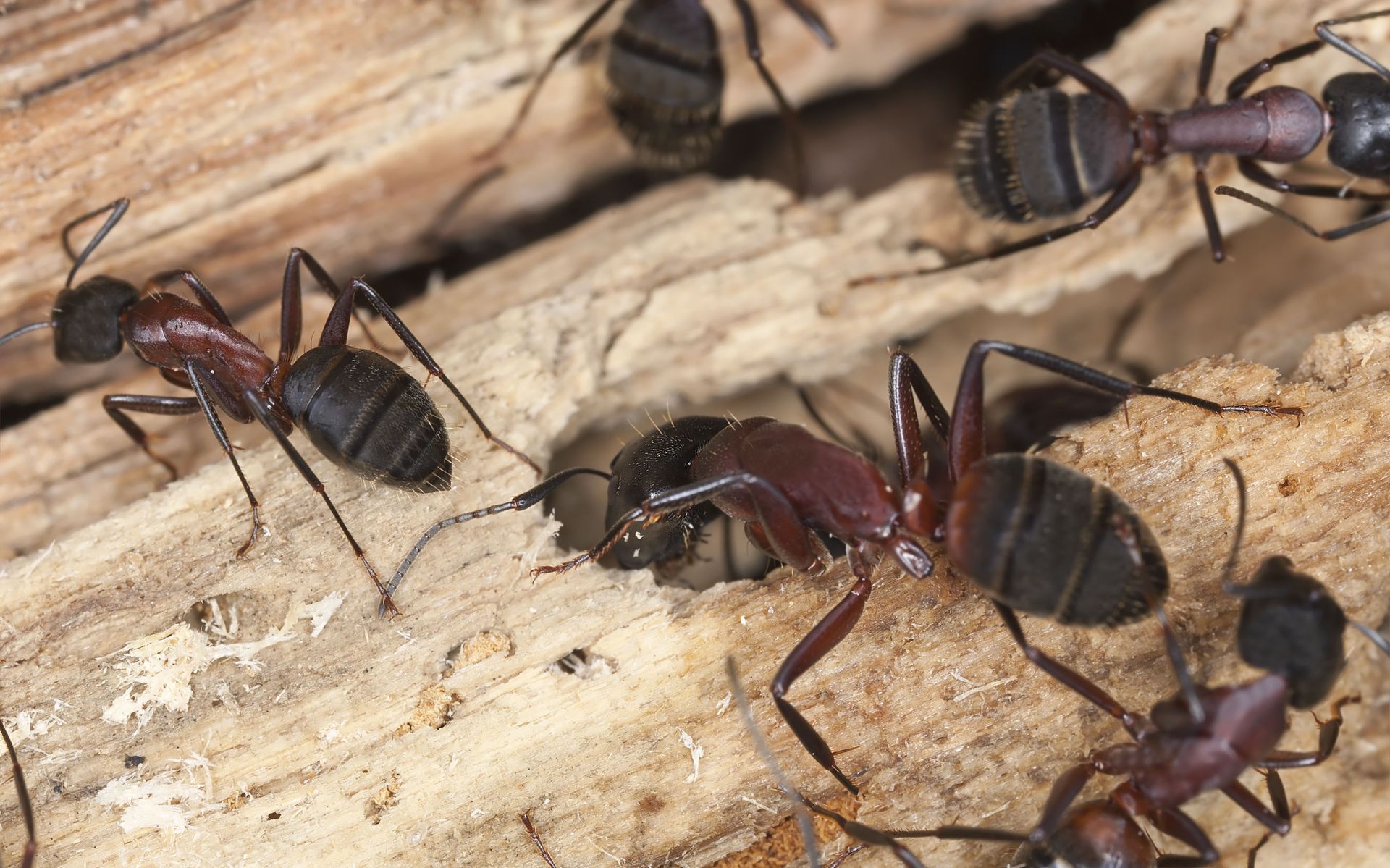
Carpenter ants are among the most concerning species because they nest within wooden structures. Unlike termites, they do not consume the wood for food; instead, they hollow it out to create "galleries" for their colony. A key sign of their presence is the appearance of frass—small piles of sawdust-like material that the ants push out of their tunnels. If you find frass near wooden door frames, windows, or support beams, you are likely dealing with an active carpenter ant colony that requires professional intervention.
Listening for Auditory Cues
In a quiet room, you can sometimes hear the activity of a large carpenter ant colony. Homeowners often describe a soft rustling or crinkling sound coming from inside the walls. This is the sound of thousands of ants moving and scraping the wood as they expand their nesting site. These auditory clues, combined with the sighting of large black ants, are a clear indication that the structural integrity of your home may be at risk.
Assessing Vulnerable Structural Areas
Carpenter ants are particularly attracted to wood that has been softened by moisture. This makes areas around leaking pipes, chimneys, and poorly sealed windows especially vulnerable. If your home has a history of water damage, it is a prime candidate for a carpenter ant invasion. A professional pest control company will often focus its inspection on these high-moisture zones to find the heart of the infestation.
Analyzing Environmental Factors
Environmental conditions play a significant role in where ants choose to establish themselves. Because ants require a consistent water source, they are naturally drawn to humid environments. Leaking faucets, condensation on pipes, and high humidity in basements can all act as magnets for a colony. By addressing these plumbing and ventilation issues, you make your home a much less attractive target for an invading pest control company target species.
Reducing Food Attractants
The primary goal of any ant colony is to find a stable food supply. Small spills, unsealed pantry items, and pet food left out overnight are the most common attractants. Ants are particularly fond of sugary substances, but they will also forage for fats and proteins. Maintaining a clean environment and utilizing airtight containers for food storage are essential steps in deterring scouts from marking your home as a viable target.
Controlling Exterior Landscaping
Your yard can either be a barrier or a bridge for pests. Tree branches that touch the roof or shrubs that brush against the siding provide a direct pathway for ants to bypass your foundation defenses. Keeping vegetation trimmed back at least a foot from the structure helps break these natural bridges. Piles of firewood or decaying mulch near the house can also serve as a staging ground for a future indoor invasion.
Ants may be small, but their collective impact on a home can be massive. From the invisible pheromone trails that guide their foragers to the hidden galleries they carve into your wood, these pests are masters of infiltration. Recognizing the signs—such as visible lines in the kitchen, sawdust piles near wood, or soil mounds in the lawn—is the first step toward reclaiming your space alongside a reputable pest control company.
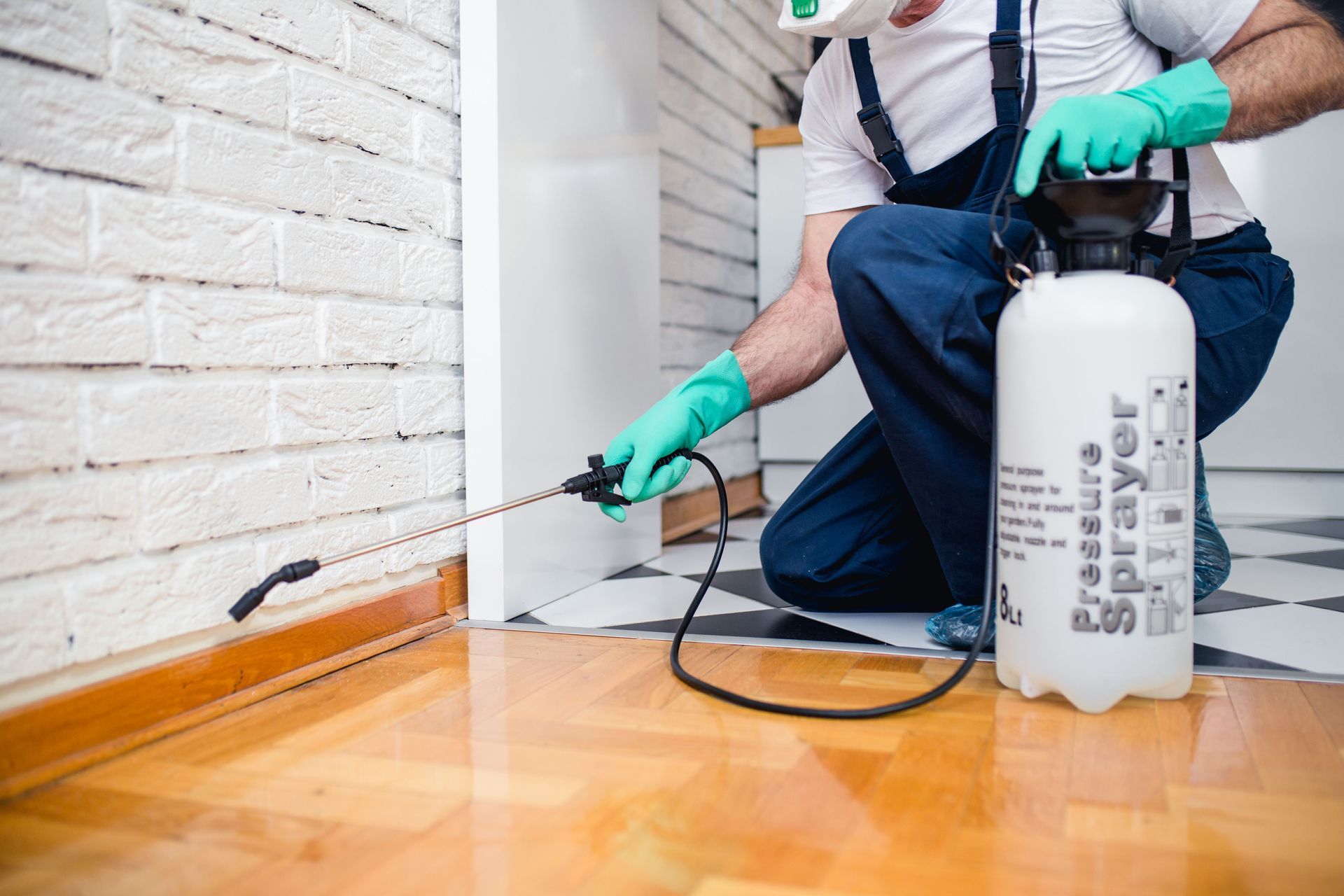
If you have noticed any of these indicators, do not wait for the problem to grow. TKO Pest Control is an experienced pest control company specializing in residential pest control. We understand the specific behaviors of local ant species and provide the targeted solutions needed to eliminate colonies at their source. Contact us today to schedule your inspection and ensure your home is protected from the ground up.